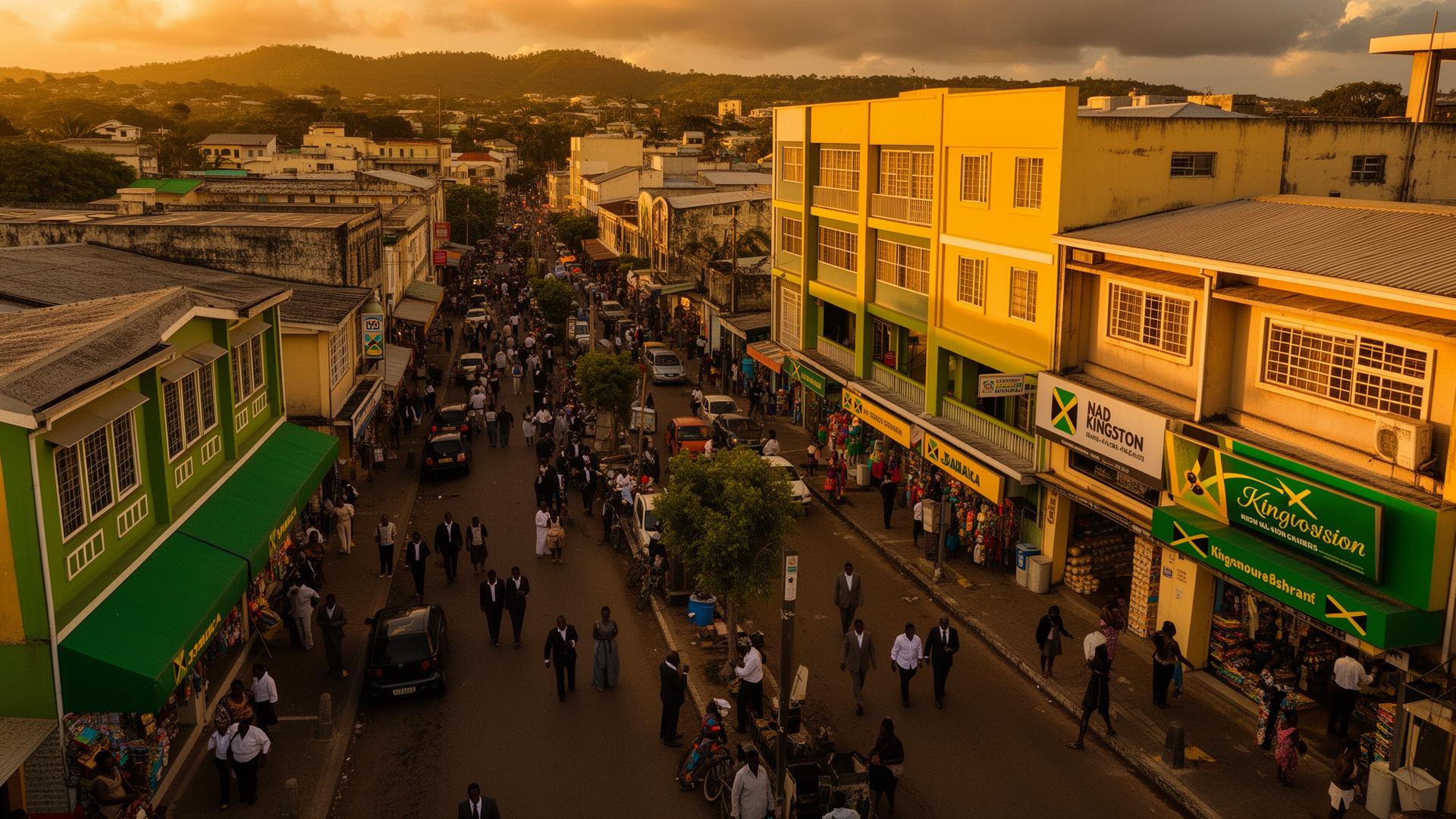
Public crises rarely unfold privately anymore.
Customers record incidents. Employees share experiences. Social platforms amplify narratives. Media cycles compress. In Jamaica, where communities are tightly connected and diaspora networks extend the conversation across borders, a local incident can become a national and international story before the executive team has convened.
The speed of public crises means organisations cannot rely on traditional communication habits.
Acknowledge before you are ready
Organisations often hesitate because information feels incomplete. Stakeholders do not expect immediate perfection. They expect visibility.
Acknowledging awareness demonstrates presence. Silence, in contrast, creates space for speculation — and in a Jamaican market where word-of-mouth and social sharing move faster than formal channels, speculation becomes narrative quickly.
Move fast, but verify first
Fast communication matters. Unverified communication creates new problems.
Organisations must balance urgency with accuracy. The first statement should contain what is known, what is being done, and what will be shared when more is confirmed. It should not contain what leadership hopes is true.
Lead with empathy, not just operations
Many organisations communicate operational updates while forgetting emotional realities. People remember how organisations make them feel during a crisis.
Facts matter. Empathy matters equally. In Caribbean culture, where personal connection and respect carry significant weight, an organisation that communicates efficiently but coldly often does more harm than one that communicates imperfectly but humanely.
Visibility, not anonymity
Public crises require visible leadership. Organisations that hide behind anonymous statements appear disconnected. Visible leadership creates confidence.
In Jamaica's relational business culture, stakeholders often expect to see the face behind the organisation. A named executive who steps forward early signals accountability in a way that no press release can replicate.
Speak with one voice
Employees, customers, media, partners, regulators, and investors should not receive conflicting narratives. Misalignment damages credibility faster than bad news itself.
This requires internal coordination before external communication. The leadership team must align on facts, tone, and next steps before anyone speaks publicly.
Listen continuously
Crisis communication is not publishing. It is listening.
Organisations must continuously track conversations, misinformation, emerging concerns, and stakeholder sentiment. In a market as socially active as Jamaica, ignoring the conversation does not make it disappear. It makes it grow without your input.
Defensiveness is a second crisis
Stakeholders rarely reward defensiveness. Transparency, accountability, and action create stronger outcomes.
Public crises create enormous pressure. Pressure does not require panic. The organisations that perform best are the ones that communicate with calm, structure, and clarity — while moving with the urgency the moment demands.
By Nichole Brackett Walters
Caribbean CMO and advisor on marketing transformation, AI leadership, and reputation strategy. Writing from the field.